
Advice & Guides
Choosing a Care Home in Essex: 10 Questions Families Should Ask Before Making a Decision
11 September 2026
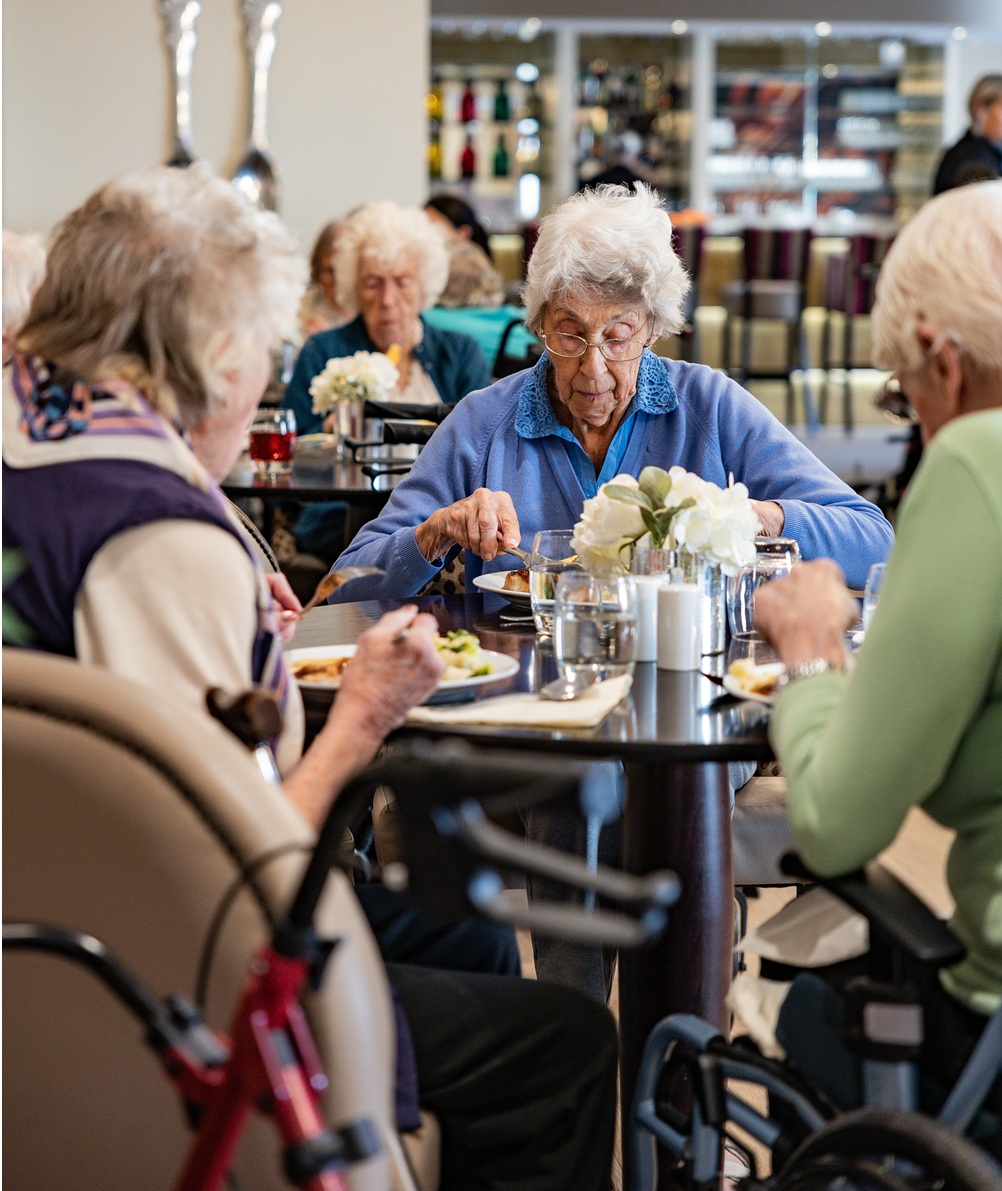
Choosing the right care home for yourself or a loved one is an important decision. From understanding care needs and CQC ratings to visiting the home and meeting the team, here are 10 questions every family should ask when comparing care homes in Essex.
Choosing a care home for yourself or someone you love can feel like a big decision. There are practical considerations such as location, cost and the level of care available, but finding the right home is also about something much more personal: finding somewhere that feels comfortable, welcoming and right for the individual.
If you are currently looking for a care home in Essex, taking the time to visit different homes, meet the people who work there and ask the right questions can make the process much easier.
Here are 10 questions we believe every family should consider.
1. What type of care does the home provide?
Not every care home provides the same level or type of support.
Before arranging a placement, make sure the home can meet the individual's current needs. It is also worth asking whether they will be able to continue supporting them if those needs change in the future.
Depending on the individual, this might include residential care, dementia care, respite care or additional support with mobility and everyday activities.
At Stour Valley Care Group, both Mistley Manor and Bradfield Manor provide residential, dementia and respite care, with care tailored around each individual.
2. What does the CQC information tell you?
Care homes in England are regulated by the Care Quality Commission (CQC), so checking the CQC information for a home should form part of your research.
Inspection reports, ratings and other information published by the CQC can help families understand more about a care service and its performance.
However, we would always recommend looking beyond a rating alone. Read the available information, ask the home questions and, most importantly, arrange a visit so you can form your own impression.
3. Does the home feel welcoming?
You can learn a lot about a care home within the first few minutes of visiting.
Does it feel warm and relaxed? Are residents comfortable? Do staff acknowledge residents by name? Are there conversations and activities taking place, or does everything feel overly clinical?
A care home is exactly that — a person's home.
The environment should therefore feel like somewhere your loved one could genuinely become comfortable, rather than simply somewhere where care is provided.
4. How well do the staff know the residents?
Good care is about much more than completing a list of daily tasks.
Ask how the home gets to know residents as individuals. Staff should understand people's routines, preferences, interests, backgrounds and the little things that are important to them.
It is also worth asking about staffing arrangements, staff training and continuity of care.
Seeing how staff and residents interact during your visit can often tell you a great deal about the culture of a home.
5. How is each resident's care personalised?
No two people are exactly the same, so their care should not be either.
Ask how the home assesses a new resident and how their care plan is created. A good care plan should reflect not only someone's health and support requirements, but also their choices, routines and preferences.
You may also want to ask how frequently care plans are reviewed and how families are involved when a person's needs change.
6. What is everyday life actually like?
It is easy to focus entirely on care needs and forget that this will also be someone's home.
Ask what an ordinary day looks like.
What activities are available? Are residents encouraged to continue their existing hobbies? Are there opportunities to spend time outdoors? Are trips and events organised? Can someone choose to participate or simply enjoy some quiet time?
The best activities are not about keeping people busy for the sake of it. They should provide opportunities for enjoyment, companionship and a sense of purpose, while respecting individual choice.
7. What is the food like?
Food is an important part of everyday life, so don't be afraid to ask about it when visiting a care home.
Find out whether meals are freshly prepared, how much choice residents have and how dietary requirements or personal preferences are accommodated.
You could also ask to see a current menu or find out how residents can provide feedback about the food.
Mealtimes should be something residents can enjoy and look forward to, rather than simply another part of the daily routine.
8. Can residents make their room their own?
Moving into residential care is a significant change, and familiar belongings can make a new environment feel much more like home.
Ask whether residents can personalise their rooms with photographs, ornaments, artwork and suitable pieces of their own furniture.
At our homes, we actively encourage residents to bring personal belongings and mementos with them. A bedroom should feel like their room, not simply a room they have been allocated.
9. How are families kept involved?
Moving into a care home should not mean losing contact with family or friends.
Ask about visiting arrangements and how the home communicates with relatives. You may also want to know who your main point of contact would be if you had a question or concern.
Good communication between residents, relatives and the care team can make an enormous difference, particularly during the first few weeks after someone moves into a home.
Families should feel welcome and included in their loved one's life.
10. Can you visit before making a decision?
Whenever possible, visit the care home before making your final decision.
Websites, photographs and brochures are useful starting points, but there is no substitute for actually walking through the door.
Look around the bedrooms and communal spaces. Meet members of the team. Ask questions. Pay attention to how staff interact with residents and how the home makes you feel.
And if possible, involve the person who may be moving into the home in the decision.
Ultimately, one of the most important questions is very simple:
Can I imagine myself or someone I love being happy here?
Finding the Right Care Home in Essex
There is no single care home that will be right for everybody.
Some people may prefer a larger, busier environment, while others may feel more comfortable somewhere smaller and more personal. Some will require specialist dementia support, while others may primarily be looking for companionship and some additional help with everyday life.
Taking your time, asking questions and visiting homes in person can help you make a decision with much greater confidence.
Stour Valley Care Group is a family-run care provider with more than 90 years of family experience in residential care. Today, we operate two care homes near Manningtree in Essex: Mistley Manor and Bradfield Manor.
Both homes provide residential, dementia and respite care while sharing the same aim — to provide a genuine Home from Home, where every resident is known and cared for as an individual.
Come and See for Yourself
If you are currently considering residential care for yourself or a loved one, you are very welcome to come and meet us.
There is no pressure to make a decision. We can show you around, introduce you to members of the team and talk through your circumstances and the different care options available.
Explore Mistley Manor in Manningtree or Bradfield Manor in Bradfield, or get in touch with Stour Valley Care Group to arrange a visit.
Call us on 01206 391 488 or make an enquiry through our website.