
Advice & Guides
Preparing for Winter: How Care Homes Keep Older People Safe and Well
14 September 2026
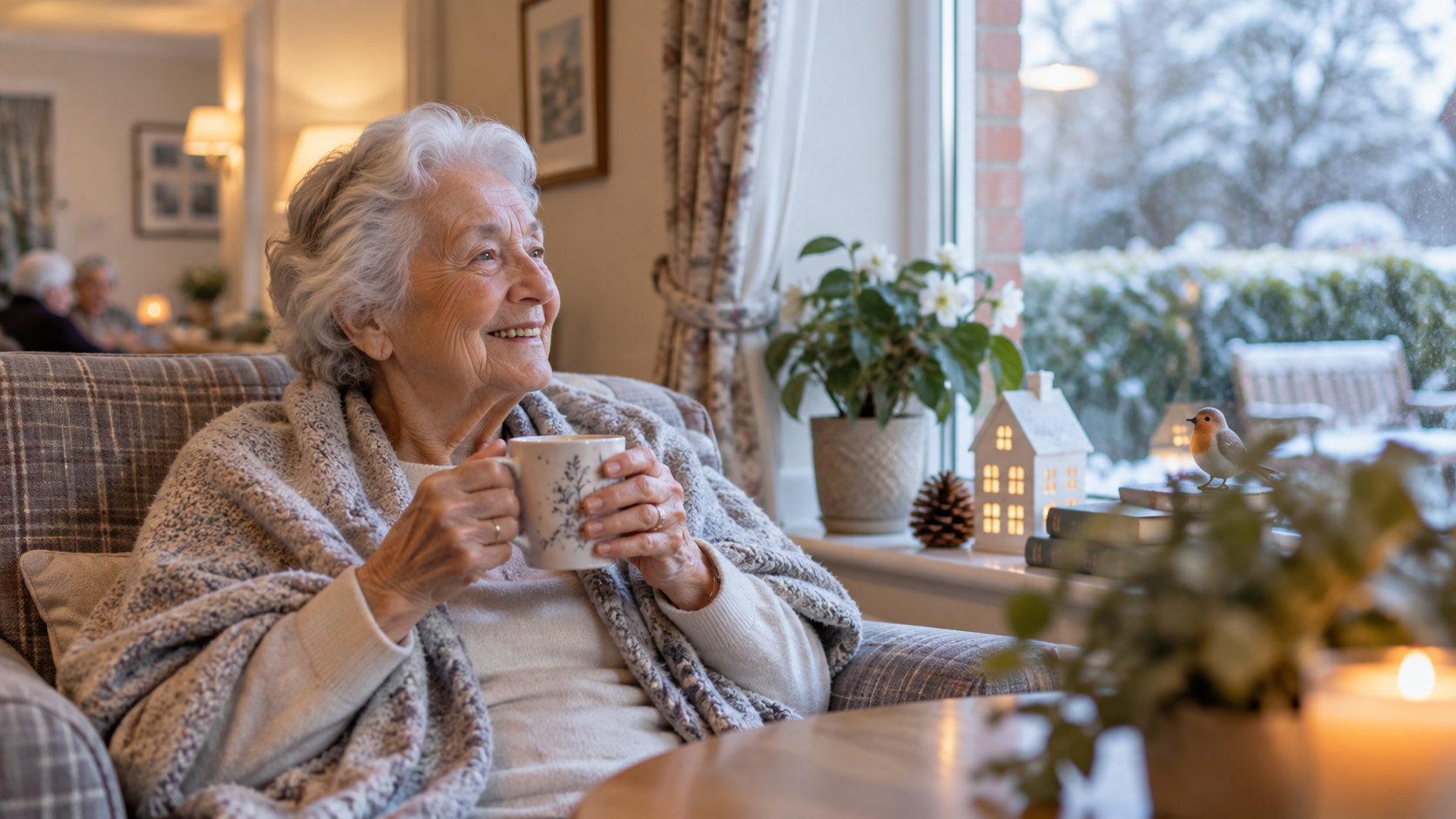
Winter can bring additional challenges for older people. Discover how care homes help residents stay warm, healthy, active and connected throughout the colder months.
Winter can be a particularly challenging time for older people. Colder temperatures, seasonal illnesses and shorter days can all have an impact on health and wellbeing, especially for people living with long-term health conditions or reduced mobility.
For families, it can also bring additional worries. Is Mum warm enough? Is Dad eating properly? What happens if they become unwell? Are they getting enough company when the weather makes it more difficult to get out?
In a care home, preparing for winter involves much more than simply turning up the heating. From infection prevention and good nutrition to activities, companionship and recognising changes in someone's health, there are many ways care teams can help residents stay safe, comfortable and well throughout the colder months.
Here are some of the ways good residential care can make a difference.
1. Keeping Residents Warm and Comfortable
Older people can be particularly vulnerable during periods of cold weather, making a warm and comfortable environment especially important throughout winter.
Care teams can help by keeping an eye on room temperatures, making sure residents have appropriate clothing and bedding, and paying particular attention to people who may be less able to recognise or communicate that they are feeling cold.
However, comfort is personal. Some residents naturally prefer a warmer room than others, so maintaining a comfortable environment should also take individual preferences into account.
At Mistley Manor and Bradfield Manor, residents have their own bedrooms and personal spaces, helping them feel comfortable and at home throughout the year.
2. Preparing for Seasonal Illnesses
Flu and other respiratory illnesses can have a much greater impact on older people, particularly those with existing health conditions.
Good winter preparation therefore includes strong infection prevention and control practices, careful monitoring of residents and appropriate coordination with GPs and other healthcare professionals.
Vaccination also forms an important part of the national approach to winter health. For the 2026/27 season, NHS England's flu vaccination programme includes people aged 65 and over and residents of long-stay residential care homes.
Care homes can support residents and families by working alongside healthcare professionals, communicating vaccination opportunities and ensuring that the appropriate consent arrangements are followed.
3. Recognising Changes in Health Early
When staff see residents every day, they can become familiar with what is normal for each individual.
Sometimes it is a small change that indicates somebody may be becoming unwell — perhaps they are quieter than usual, have less of an appetite, seem more tired or simply do not appear to be themselves.
Knowing residents as individuals can help care teams recognise these changes and take appropriate action.
This is one of the reasons continuity and person-centred care are so important, particularly during the winter months.
4. Good Food and Nutrition
There is something particularly comforting about a warm meal on a cold winter's day.
But good nutrition is about much more than comfort. Eating a balanced diet helps support general health and wellbeing, making food an important part of winter care.
Care homes can provide regular meals while taking into account residents' preferences, dietary requirements and individual support needs.
Mealtimes also provide an important social occasion, giving residents the opportunity to sit together, talk and enjoy each other's company.
5. Remembering Hydration in Winter
Hydration is often associated with hot summer weather, but drinking enough remains important throughout the winter.
People may naturally feel less thirsty when the weather is cold, so regular drinks should continue to be available and encouraged according to each resident's individual needs.
A cup of tea or coffee can also be part of the social side of care — an opportunity to sit down, have a conversation and spend some time together.
6. Staying Active When the Weather Changes
Cold, wet or icy conditions can make spending time outdoors more difficult, but winter should not mean residents stop being active.
Indoor activities, gentle movement, games, music, entertainment and social events can all provide opportunities for residents to remain engaged.
On suitable days, residents may still be able to enjoy gardens and outdoor spaces, provided conditions are safe.
The important thing is that activities remain based around individual choice and ability. Residents should have opportunities to participate without feeling that they have to.
7. Reducing the Risk of Falls
Winter can introduce additional risks, particularly when paths and outdoor areas become wet, icy or slippery.
Care homes should consider these risks as part of their normal health and safety arrangements, including keeping entrances and walkways safe and supporting residents with mobility where required.
Inside the home, appropriate footwear, good lighting, clear walkways and individual mobility support can all contribute to reducing risk.
Importantly, keeping people safe should not mean unnecessarily restricting their independence. The aim should be to support residents to remain as independent as possible while managing risks appropriately.
8. Looking After Emotional Wellbeing
Winter isn't only about physical health.
Shorter days and less time outdoors can affect people's mood, and some older people may experience loneliness or isolation — particularly around occasions that traditionally revolve around family.
This makes companionship and meaningful interaction especially important.
Something as simple as sitting down for a conversation, taking part in an activity, enjoying music together or having a visit from family can make a real difference to someone's day.
A good care home should provide opportunities for residents to socialise while also respecting those who prefer their own company.
9. Keeping Families Connected
Family relationships remain just as important when somebody moves into residential care.
Throughout winter, and particularly around Christmas and New Year, families should feel welcome to remain involved in their loved one's life.
Good communication also means keeping relatives informed when appropriate, particularly if there is a significant change in a resident's health or care needs.
At Stour Valley Care Group, we want relatives to continue feeling part of the home and, most importantly, part of their loved one's everyday life.
10. Being Prepared Before Winter Arrives
Some of the best winter care starts before the coldest weather arrives.
Care homes can prepare by reviewing individual needs, considering seasonal risks, maintaining appropriate infection prevention measures and ensuring staff understand what to do if a resident becomes unwell.
National Cold-Health Alerts also help health and social care services prepare when periods of particularly cold weather are expected.
Planning ahead means teams can respond to changing conditions rather than waiting until winter weather becomes a problem.
Supporting Older People Throughout Winter
Winter brings additional challenges, but it can also be a wonderful time within a care home.
Warm meals, seasonal activities, Christmas celebrations, visits from families and simply spending time together can make the colder months an enjoyable and sociable part of the year.
At Stour Valley Care Group, our focus remains the same whatever the season: providing person-centred care in a genuine Home from Home environment.
Our two care homes near Manningtree in Essex, Mistley Manor and Bradfield Manor, provide residential, dementia and respite care tailored around the needs of each individual.
Considering Residential Care This Winter?
If you are worried about an older relative managing at home this winter, or you are beginning to explore residential care, you are very welcome to speak to us.
There is no pressure to make a decision. Our team can talk through your circumstances, explain the different options available and arrange for you to visit one of our homes.
Explore Mistley Manor in Manningtree or Bradfield Manor in Bradfield, or contact Stour Valley Care Group to arrange a visit.
Call us on 01206 391 488 or make an enquiry through our website.